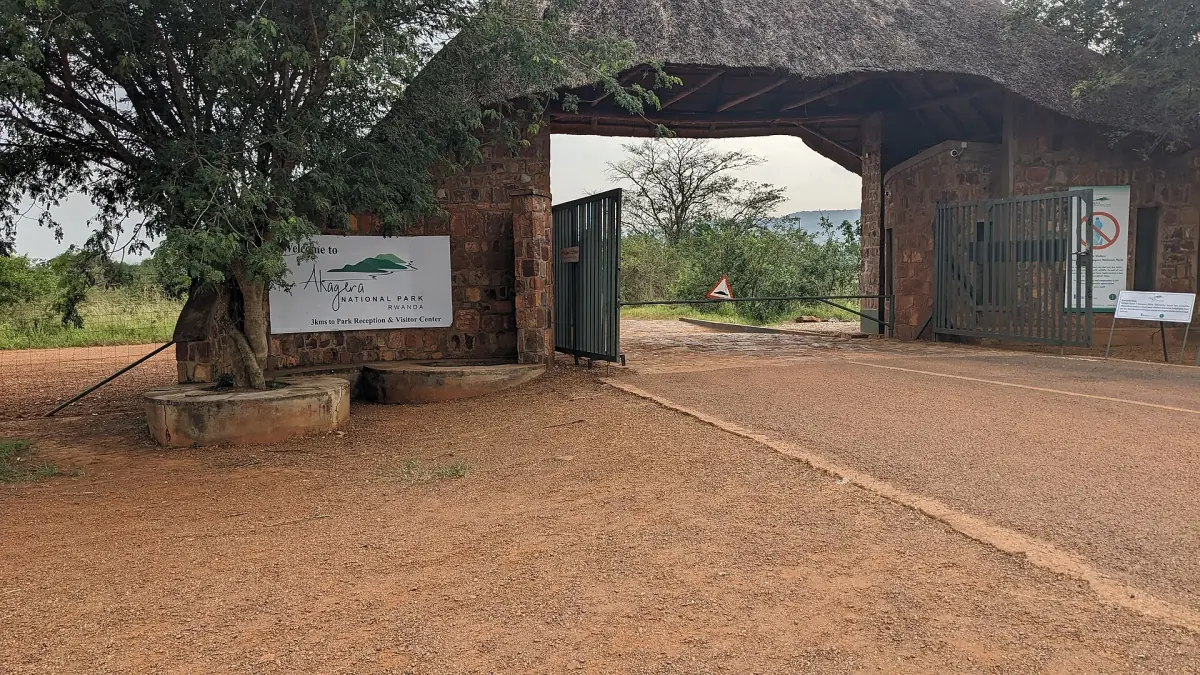
Akagera history in short
Akagera was founded in 1934, and for decades it was a large savanna park on the border with Tanzania. In 1997 it was reduced in size, and the wildlife that remained came under pressure. Since 2010 the park has been managed by African Parks together with the Rwanda Development Board (RDB), through the Akagera Management Company.
The result is visible today. Lions and rhinos are back, and a fence runs along part of the boundary. If you want to see this on the ground, a Akagera safari is the simplest way in.
Akagera timeline
The main steps, in order.
| Year | What happened |
|---|---|
| 1934 | The park is founded |
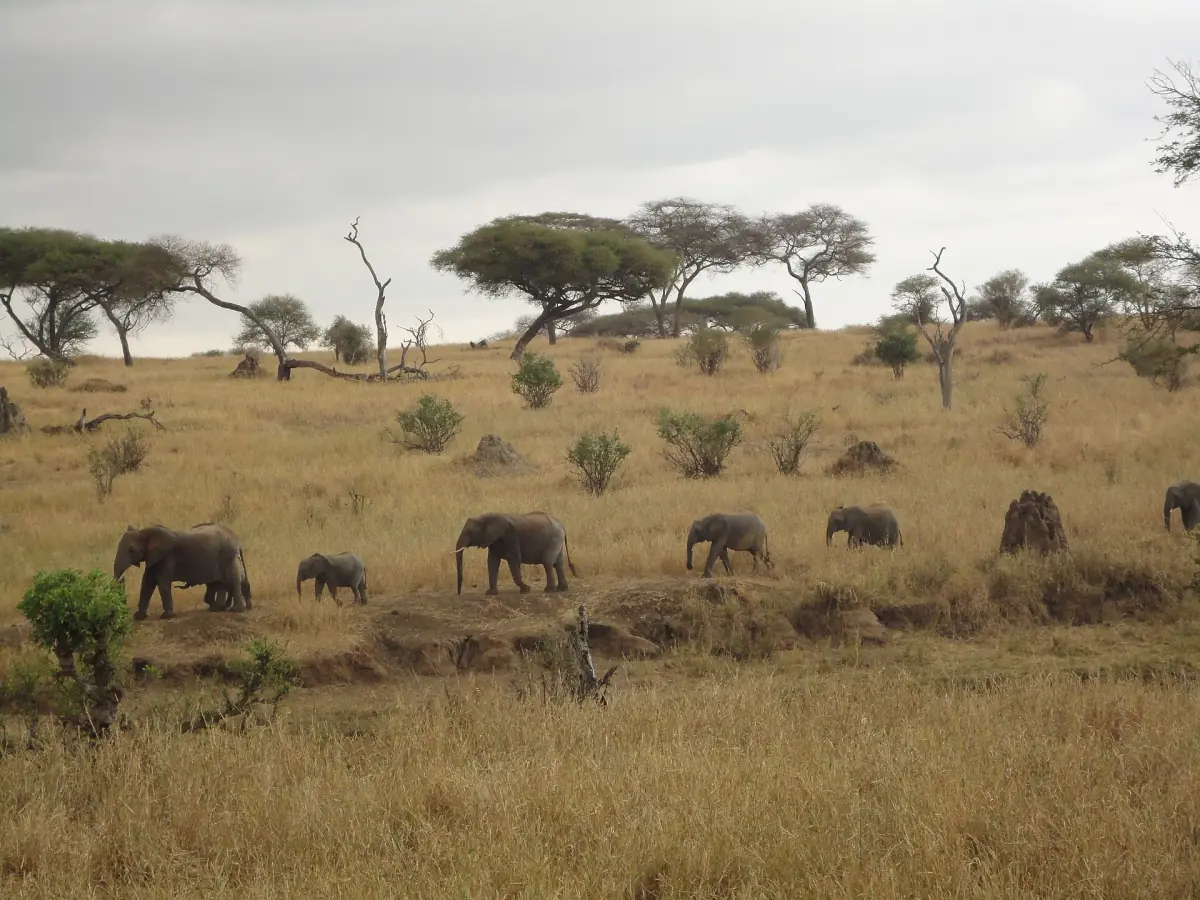
| 1975 | 26 young elephants are moved into the park |
| 1986 | Maasai giraffes arrive from Kenya |
| 1997 | The park is reduced in size for returning refugees |
| 2010 | African Parks and the RDB begin managing the park |
| 2013 | The 120 km fence is launched on 5 September |
| 2015 | Seven lions arrive from South Africa |
| 2017 | 18 eastern black rhinos arrive from South Africa in May |
| 2019 | Five more black rhinos arrive from European zoos in June |
| 2021 | 30 southern white rhinos arrive on 27 November |
| 2025 | 70 more white rhinos arrive in June |
| 2026 | Just over 100 white rhinos by September |
For most readers, the key dates are 1997, 2010 and 2015: the reduction, the partnership and the first lions back.
Our pick: a day with the park's story
This day trip includes an explanation of how the park was restored.
Hand-picked tours, booked through GetYourGuide. Prices are indicative starting prices in US dollars (as of October 2026). Tap a tour for live availability and the current price in your currency.
Akagera tours and safaris
Guided trips and safaris in Akagera, with live prices and availability. Check what each trip includes before you book.
1997: a smaller park
After the 1994 genocide, many people returned to Rwanda. In 1997 the park was reduced to make land available for returning refugees. The park lost between half and two thirds of its original area.
Grazing, illegal hunting and conflict between people and wildlife then weighed on the animals that were left. Lions and rhinos disappeared from the park. This is a matter of land and settlement, and the history says nothing against the people who came home.
African Parks and the partnership since 2010
How the park is run, and how it pays for itself.
Two partners
African Parks is a conservation organisation, not a government agency. It runs Akagera with the RDB, with representatives of both partners in the Akagera Management Company. The partnership has run since 2010.
The fence
The RDB launched the Akagera fence on 5 September 2013. It runs for 120 km along the southern and western boundary and is electric and solar powered. It does not enclose the whole boundary, so do not expect a fence on every side.
Paying for the park
2025 was the first full year without operating grants from the RDB. More than 5 million US dollars came from commercial income, and the park's own earnings covered running costs. The same year paying visitors grew by 7 percent and commercial revenue by 4 percent compared with 2024.
Sharing with neighbours
10 percent of revenue goes to the Tourism Revenue Sharing Scheme, which supports communities around the park. This does not mean donations and investment grants have stopped completely.
Reintroductions: lions, rhinos, elephants and giraffes
What came back, and when. Numbers are from the year of each move, not a count of what you will see.
Lions, 2015
Seven lions, two males and five females, arrived from South Africa in July 2015 after an absence of more than 15 years. More about the five big animals is on our Big Five page.
Black rhinos, 2017 and 2019
In May 2017, 18 eastern black rhinos came from South Africa. The last confirmed sighting before that was in 2007. In June 2019, five more arrived from European zoos.
White rhinos, 2021 and 2025
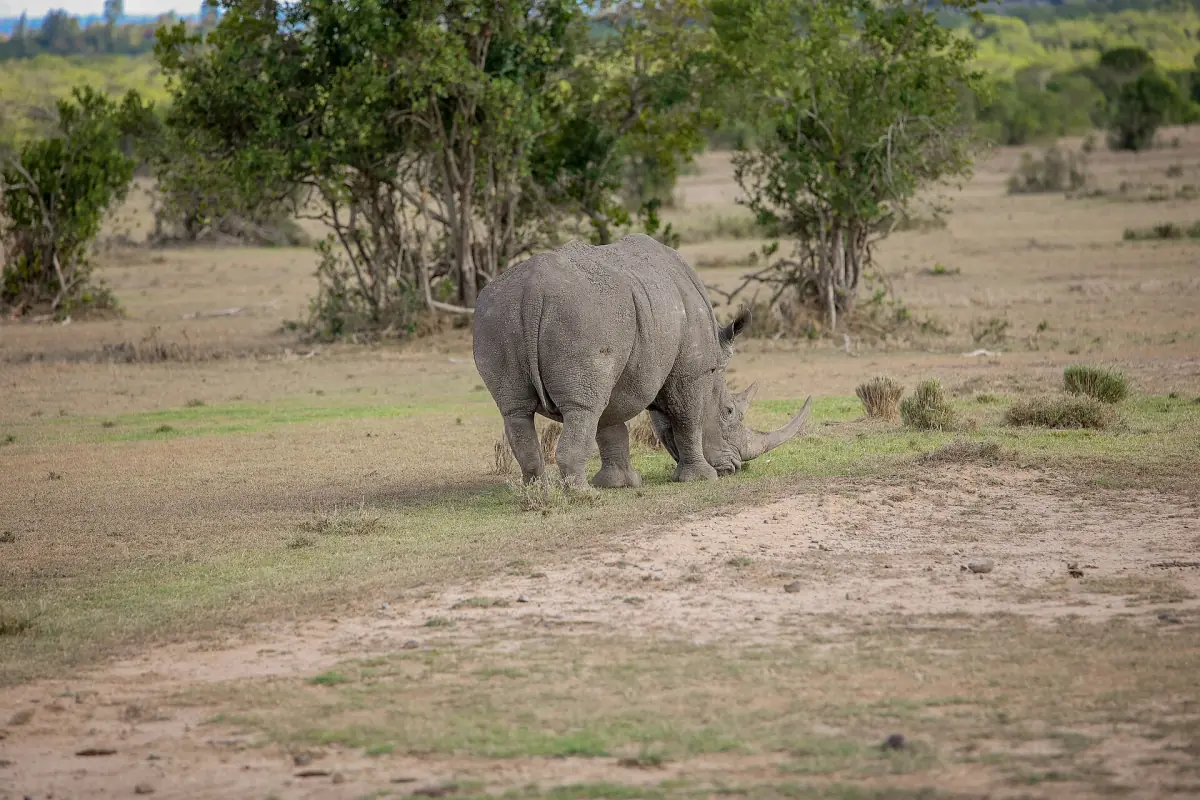
30 southern white rhinos came from South Africa on 27 November 2021. Another 70, in two groups of 35, followed in June 2025. By September 2026 the park had just over 100 white rhinos, although some of the animals moved died after the translocation. More in our rhino guide.
Elephants
26 young elephants were moved in 1975 and became the base of today's herds. In 2025 the park counted 142 elephants, 106 of them individually identified.
Giraffes
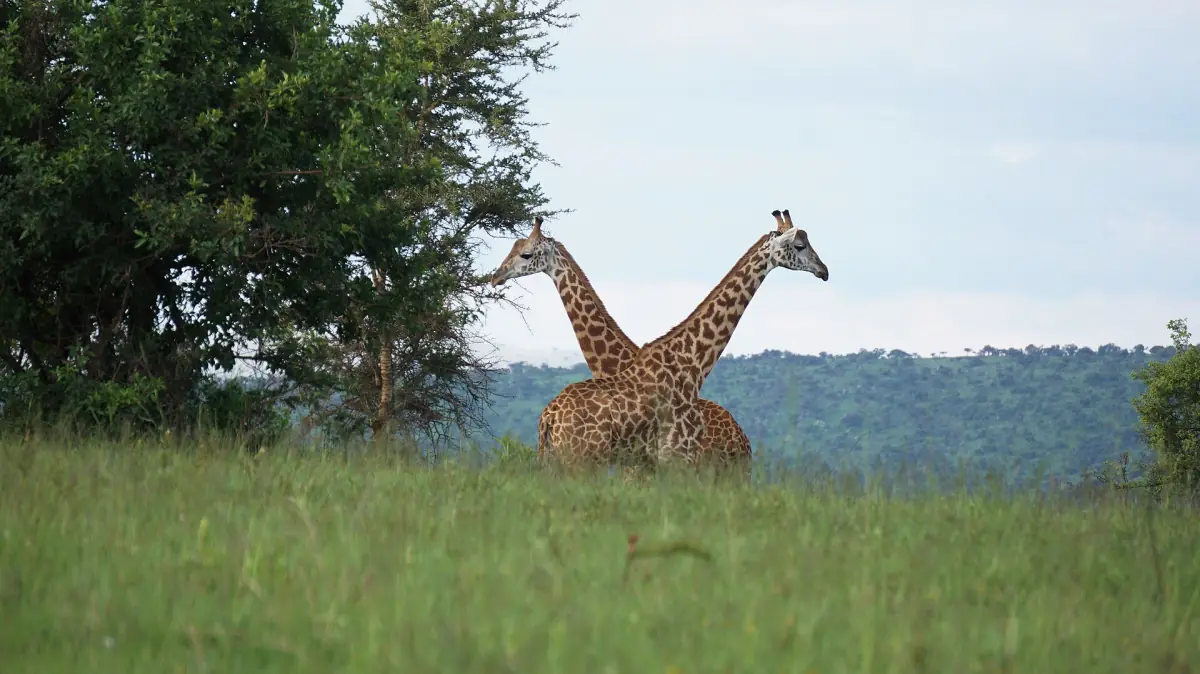
Maasai giraffes came from Kenya in 1986. The giraffes you see today are their descendants. Other animals are covered on the wildlife page.
Keep exploring Akagera
Pages that connect to the story above.

Akagera history: frequently asked questions
When was Akagera National Park founded?
In 1934.
Who runs Akagera today?
African Parks and the Rwanda Development Board have managed the park together since 2010, through the Akagera Management Company.
Why was the park made smaller in 1997?
Land was made available for refugees returning to Rwanda after the 1994 genocide. The park lost between half and two thirds of its area.
When did lions and rhinos return?
Lions returned in 2015. Black rhinos returned in 2017 and white rhinos in 2021, with 70 more white rhinos in June 2025.
Is the whole park fenced?
No. The fence runs for 120 km along the southern and western boundary.
Why is the park called Akagera?
The name goes back to the Kagera River, which runs along the eastern edge of the park.