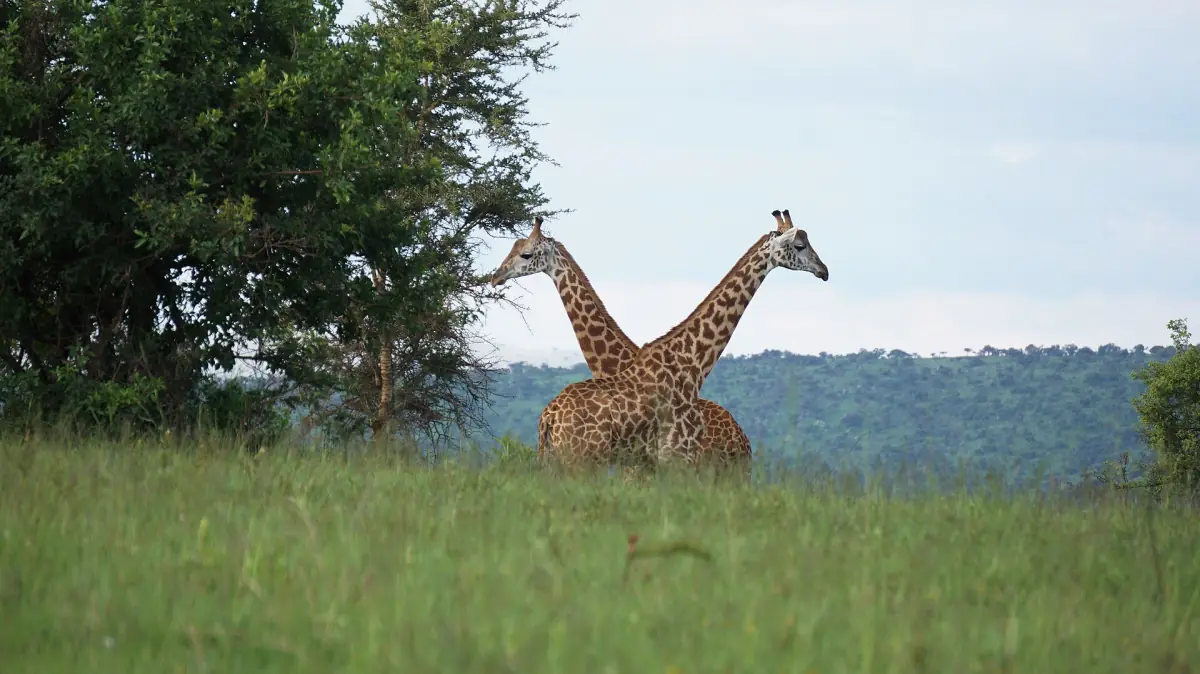
Rwanda wildlife in Akagera
Akagera is a mix of savanna, woodland, lakes and papyrus swamps in the east of Rwanda, and that mix shapes what you see. Open grassland brings giraffes, zebras and antelopes. The lakes and rivers hold hippos and Nile crocodiles, and the wetlands are the place to look for birds.
The most direct way to see animals is a game drive, so a good first step is an Akagera safari, either self-drive or with a guide. Numbers change from year to year, and nobody can promise a particular sighting, so treat what follows as what to look for.
Animals you can look for in Akagera
What lives here, with no sighting promise.
| Animal | Good to know |
|---|---|
| Giraffe | Descended from Masai giraffes brought from Kenya in 1986 |
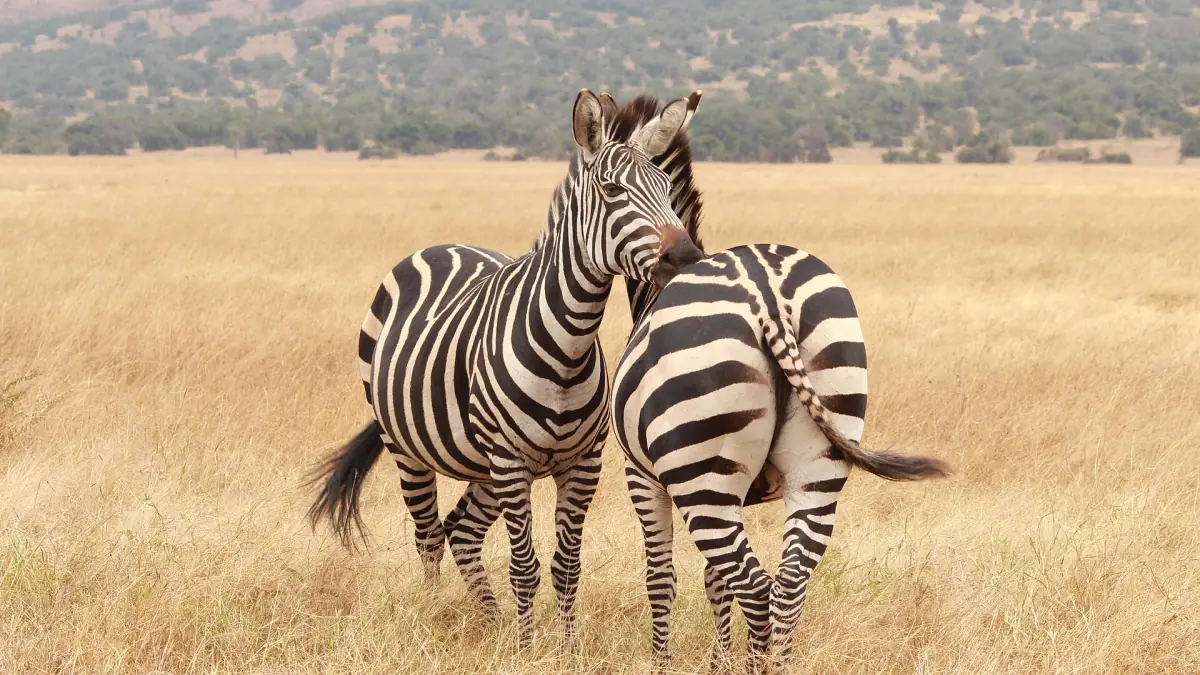
| Zebra | Grazes on the open grassland |
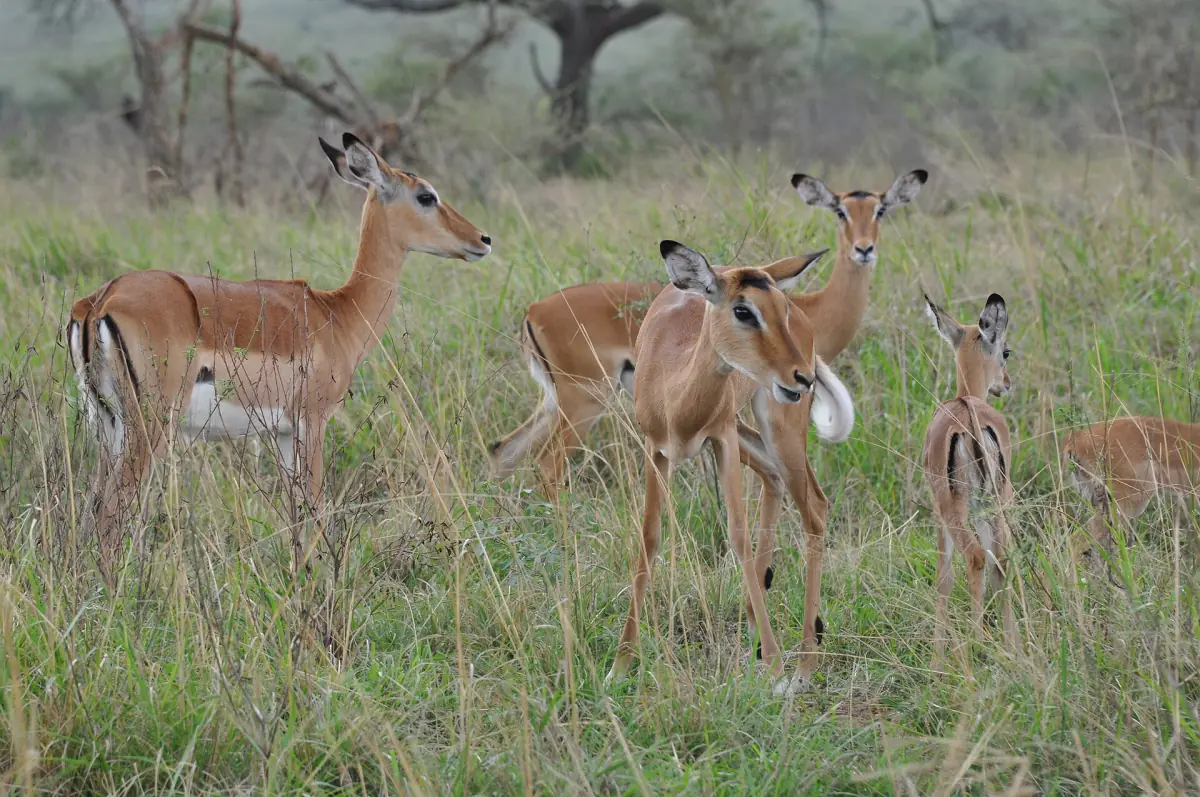
| Antelopes | Impala and topi were noted in the 1970s |
| Elephant | 142 in 2025, of which 106 are identified individually |
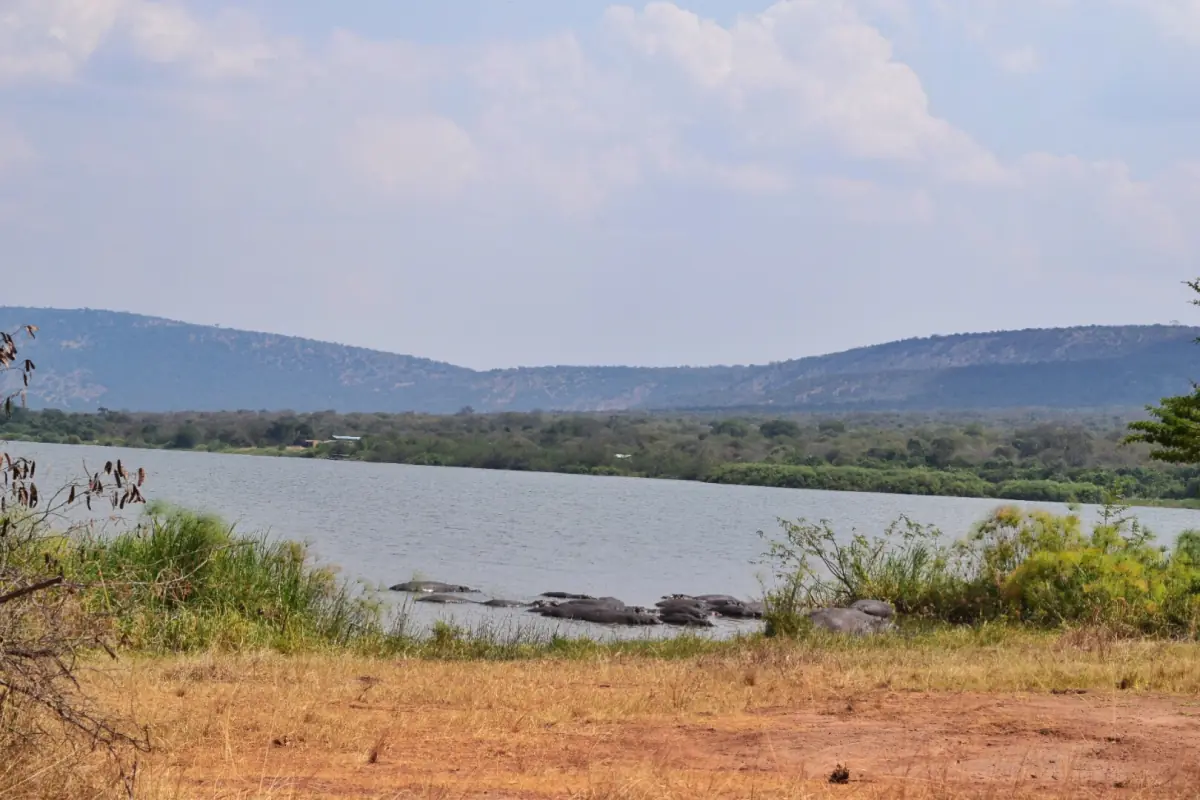
| Hippo | Best seen on the Lake Ihema boat trip |
| Nile crocodile | Part of what the Lake Ihema boat trip shows |
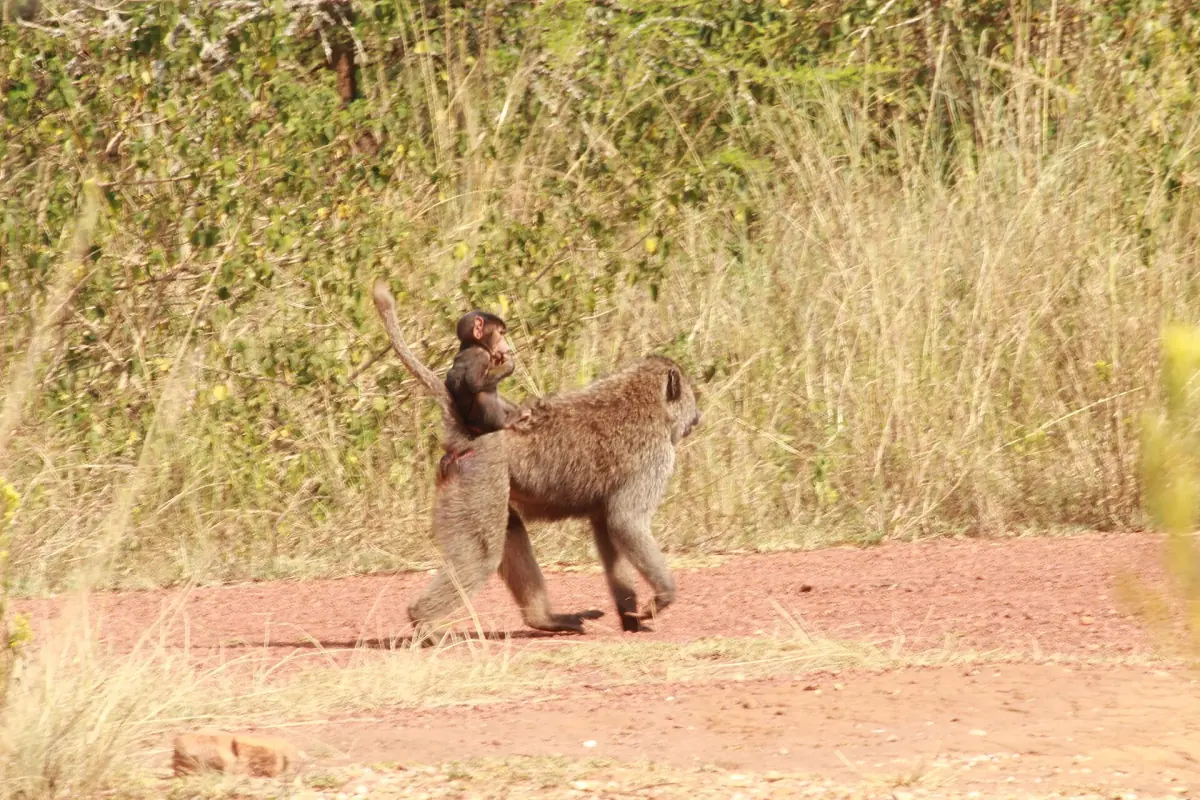
| Baboons and monkeys | Live in the park; do not feed them |
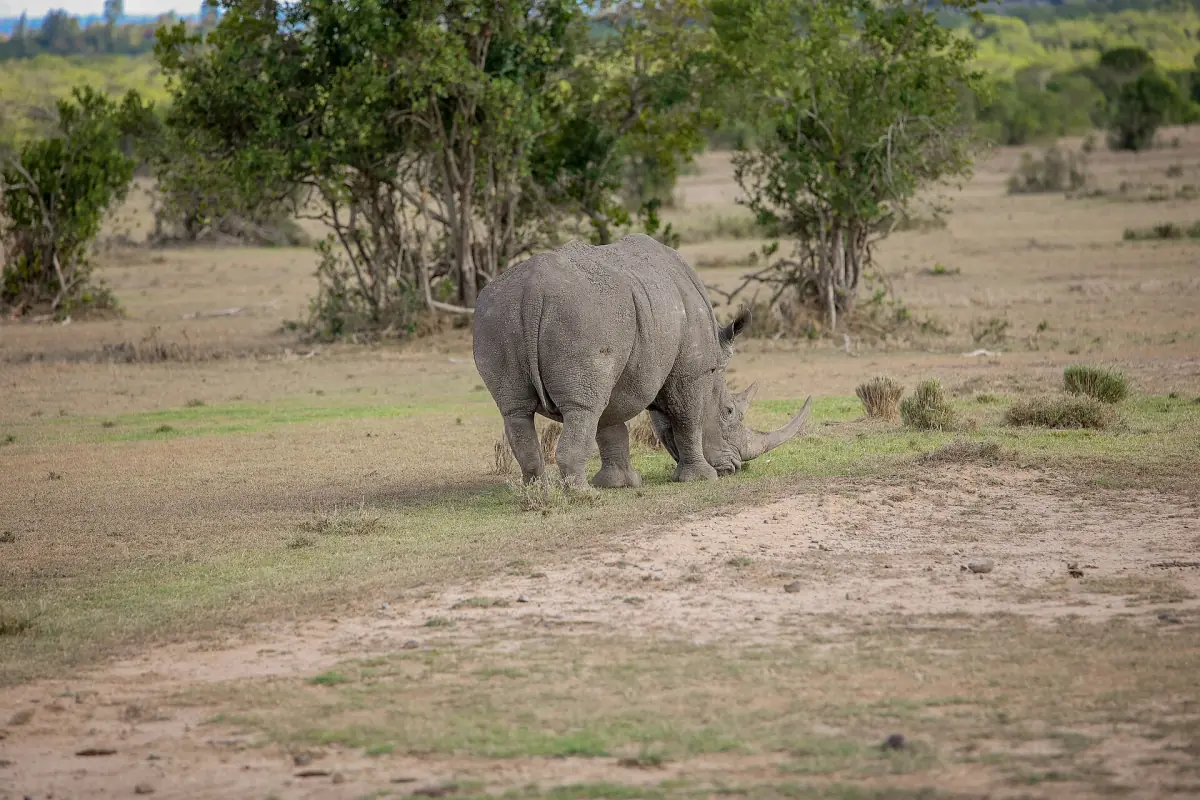
| Lion, leopard, buffalo, rhino | See the Big Five in Akagera |
For most visitors, a full day of game drives covers the grassland animals, and an hour on the water adds hippos and crocodiles. Add the boat trip if you have time.
Our pick: a birdwatching day
A bird guide and binoculars help you spot Akagera's smaller wildlife, from waterbirds to species of the wetlands.
Hand-picked tours, booked through GetYourGuide. Prices are indicative starting prices in US dollars (as of October 2026). Tap a tour for live availability and the current price in your currency.
Akagera wildlife safaris
Day trips from Kigali and multi-day wildlife safaris in Akagera, with live prices and availability.
Giraffes, zebras and antelopes
Akagera's giraffes descend from Masai giraffes that were brought from Kenya in 1986.
Zebras share the grassland with the giraffes. Antelopes such as impala are part of the park's story too: topi and impala were noted in the 1970s.
Elephants, hippos and baboons
The elephant story starts in 1975, when 26 young elephants were moved to the park. The population grew from them, and the park had 142 elephants in 2025. Hippos and Nile crocodiles live on the water, and the Lake Ihema boat is the way to see them. See the Lake Ihema boat trip for times and prices.
Baboons and other monkeys live in the park as well. Do not feed wildlife.
Chimpanzees and other forest primates are a topic for a different park. For them, see the primates of Nyungwe forest.
Birds and the shoebill in Akagera
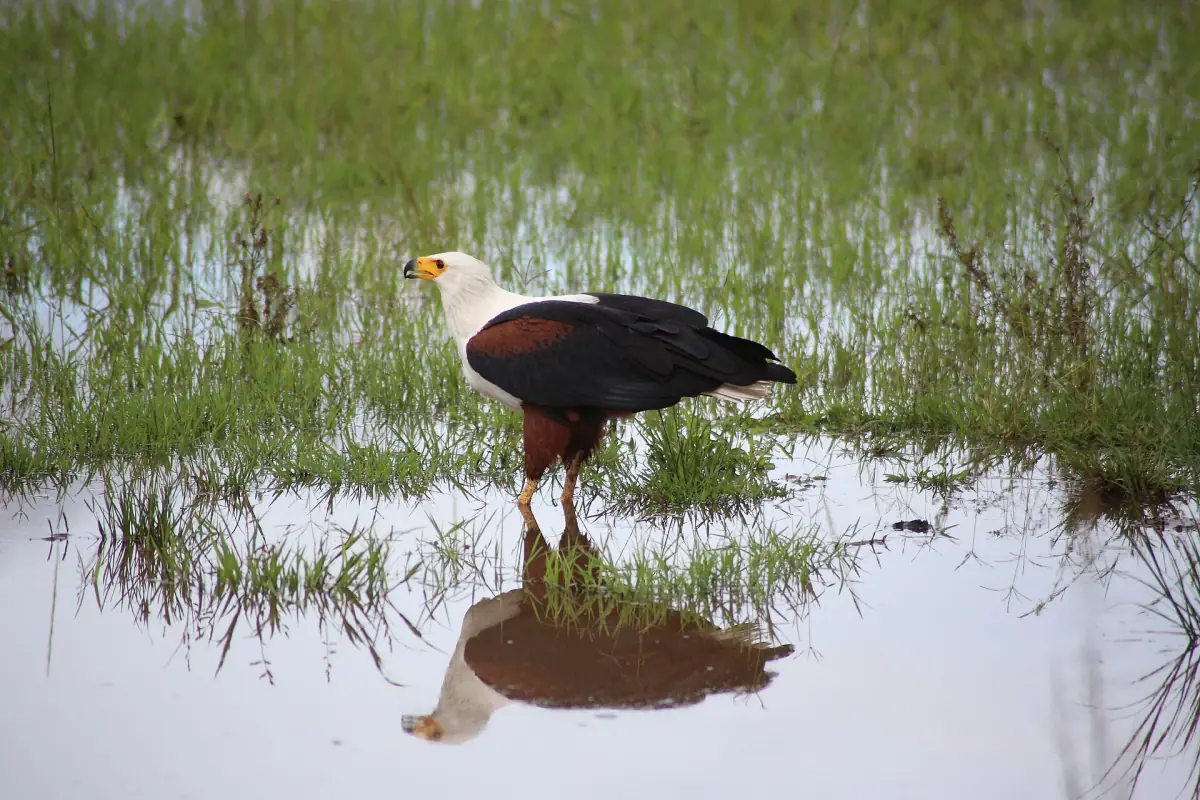
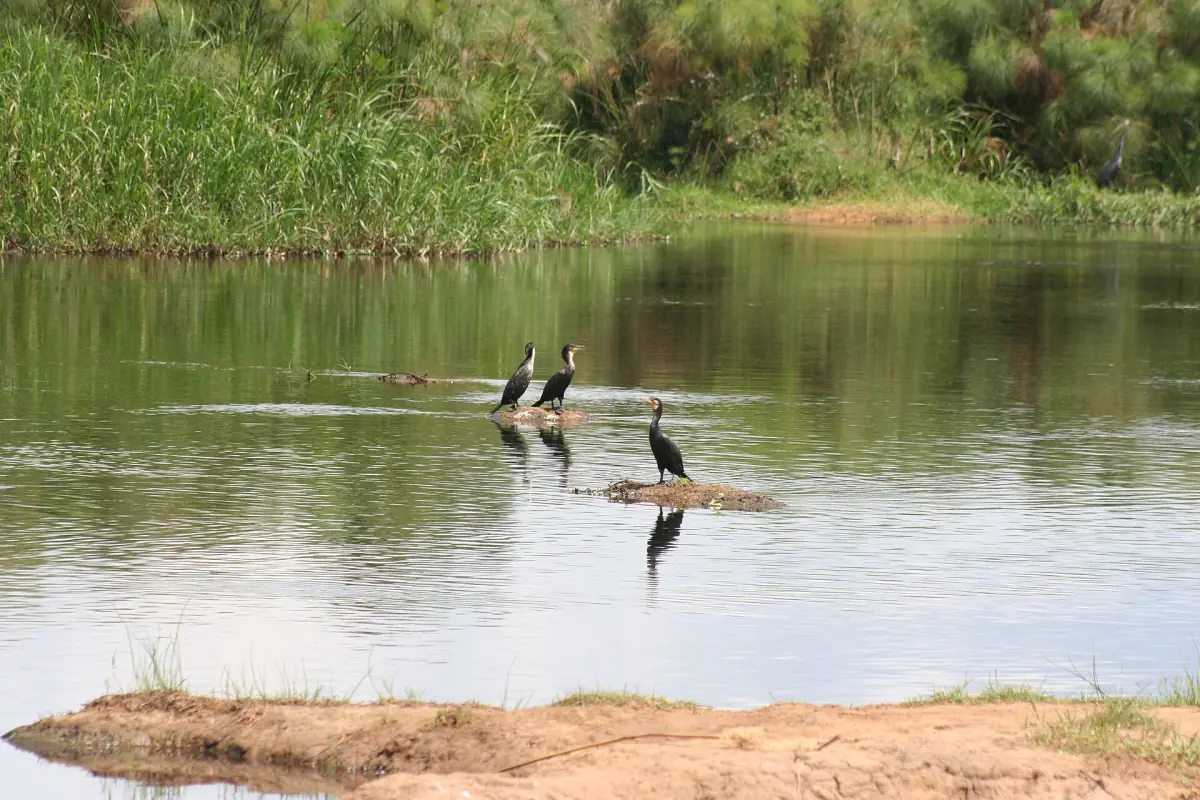
About 500 bird species have been recorded in the park. Water birds are a focus of the Lake Ihema boat trip. Bring binoculars.
The shoebill is the bird many visitors ask about. It occurs in the wetlands at Lake Rwanyakazinga, but it is rare and there is no schedule or guarantee. The shoebill is not a regular sighting on the Ihema boat. Plan for the bird list as a whole and treat a shoebill as luck.
How to see Akagera wildlife
Times and prices for 2026 to 2027.
Game drive by day
The regular day runs from 06:00 to 18:00 and you may drive your own vehicle. A park vehicle with driver and guide costs $200 for half a day or $350 for a full day, for up to 7 guests. A self-drive guide costs $25 for half a day or $40 for a full day.
By boat
Scheduled trips on Lake Ihema leave at 07:30, 09:00, 15:00 and 16:30. Adults pay $35, or $45 for the sunset trip.
In the evening
The night drive leaves at 17:30 and takes about 2.5 hours. It costs $40 for adults. See night drives and other activities.
Entry
An international adult pays $100 for one day of entry. See Akagera park fees for the full table.
Plan the rest of your Akagera visit
More on the animals and the park.

Rwanda wildlife: frequently asked questions
What animals live in Akagera?
Giraffes, zebras, antelopes, baboons and monkeys, hippos and Nile crocodiles live there, along with the Big Five: lion, leopard, elephant, buffalo and rhino.
How many bird species are in Akagera?
About 500 species have been recorded, so there is no exact figure.
Can I see a shoebill in Akagera?
It is possible but rare. It occurs in the wetlands at Lake Rwanyakazinga. It is not a regular sighting on the Lake Ihema boat, and no trip can promise one.
Where do the giraffes in Akagera come from?
They descend from Masai giraffes brought from Kenya in 1986.
Where do I see hippos?
On the lakes and rivers. The Lake Ihema boat trip is built around watching hippos, Nile crocodiles and water birds.
Are there monkeys in Akagera?
Yes, baboons and other monkeys live in the park. Do not feed wildlife.